
高中三年级 · 阅读系列
Lesson 47 · The Archive Box without a Name
文体:没有名字的档案盒 · 朗读音轨 47
先听一遍
听听学生为何没有替老照片里的人编传记。
展开英文短文,再悬停查词
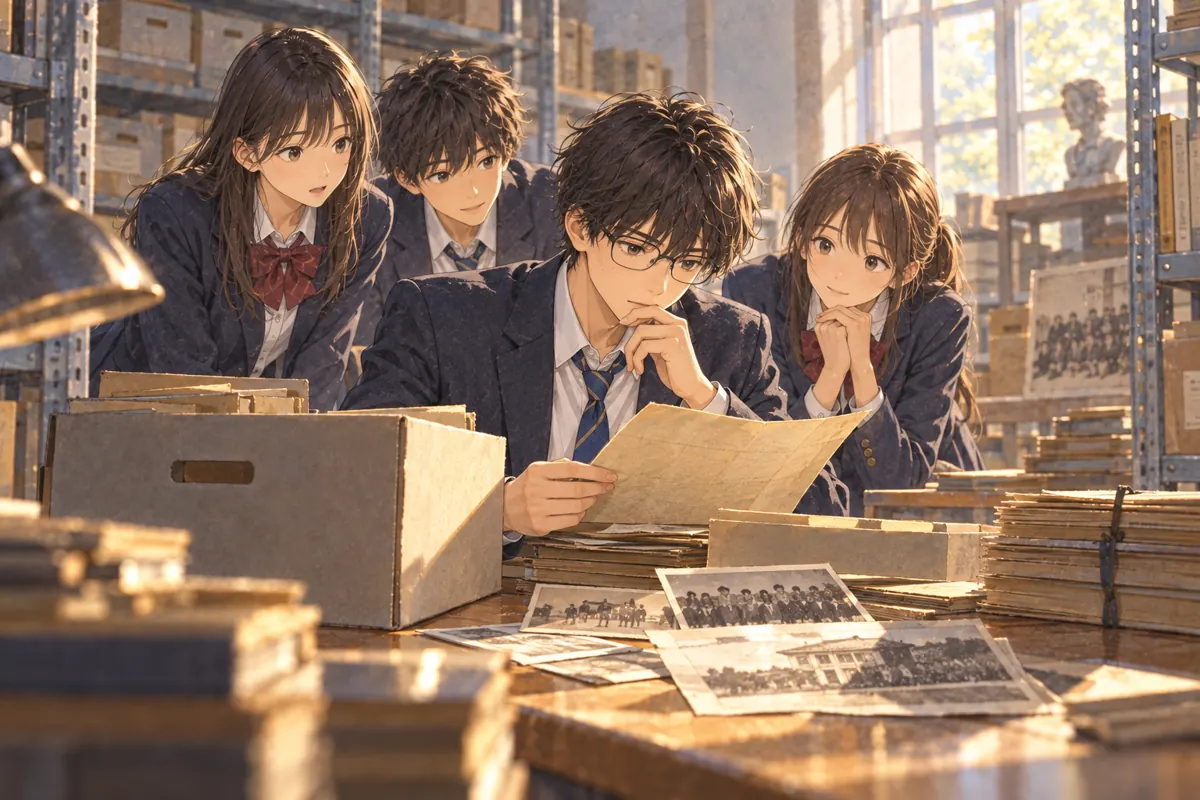
In the local archive, we found a box of photographs from an old street market. The label named the photographer but not the people whose stalls filled the pictures. Our first plan was to write a story about “unknown sellers” and display the most colorful faces.
An archivist urged us to slow down. Some families might recognize relatives; others might prefer that a photograph not be enlarged for public display. We checked what permission the archive had, contacted a local market group, and invited people to identify details they wished to share. Several names emerged, along with corrections to our guesses about dates and occupations.
For faces that remained unidentified, we did not invent biographies. The exhibition said what the photographs showed and where the record was incomplete. We also explained how visitors could contribute information later.
The unnamed box had seemed like an empty space waiting for our imagination. It was actually a collection connected to real people, some of whom could still speak for themselves.
逐句跟读
点击任意一句听 Dicvo 的 Jenny 英语语音;开始连续播放前可选择每句播放次数。同一句的每遍之间、切换到下一句之前,都会留出约一遍句子时长供你跟读。原有整篇朗读仍可在上方播放。
请选择一句开始。
-
In the local archive, we found a box of photographs from an old street market.
-
The label named the photographer but not the people whose stalls filled the pictures.
-
Our first plan was to write a story about “unknown sellers” and display the most colorful faces.
-
An archivist urged us to slow down.
-
Some families might recognize relatives; others might prefer that a photograph not be enlarged for public display.
-
We checked what permission the archive had, contacted a local market group, and invited people to identify details they wished to share.
-
Several names emerged, along with corrections to our guesses about dates and occupations.
-
For faces that remained unidentified, we did not invent biographies.
-
The exhibition said what the photographs showed and where the record was incomplete.
-
We also explained how visitors could contribute information later.
-
The unnamed box had seemed like an empty space waiting for our imagination.
-
It was actually a collection connected to real people, some of whom could still speak for themselves.
读懂了什么?
读完后,试着用一句话说出本文的主要意思,并从原文找出支持它的一句话。
查看中文译文
在本地档案馆,我们找到一盒旧街市照片。标签写了摄影师的名字,却没有写画面里摊主的名字。最初,我们想写“无名商贩”的故事,挑最鲜明的面孔展出。
档案管理员劝我们放慢脚步。有些家庭也许认得亲人;另一些人或许不希望照片被放大公开。我们查档案馆取得的许可,联系当地市场团体,邀请愿意分享的人指认细节。几个人名逐渐清楚,我们对拍摄年份和职业的猜想也得到纠正。
对仍无法辨认的人,我们没有杜撰生平。展览说明照片确实呈现了什么、记录在哪些地方不完整,也告诉参观者日后怎样补充资料。
没有姓名的档案盒起初像等着我们发挥想象的空白,其实它与真实的人相连,其中一些人还能够为自己发声。
本课重点词语
以下是本课重点词语的中文讲解;英文正文中有虚线的单词可悬停查看词义和发音。
- archive
- 档案馆;保存旧街市照片。
- photographer
- 摄影师;标签只写了他的名字。
- stalls
- 摊位;画面里有多位经营者。
- archivist
- 档案管理员;提醒顾及当事人。
- permission
- 许可;公开放大前须查。
- identify
- 辨认;社区人士补充细节。
- occupations
- 职业;早期猜测得到纠正。
- unidentified
- 身份未明的;不可随意命名。
- biographies
- 传记;不能凭空编造。
- collection
- 收藏;照片仍连着真实的人。
背景知识
旧照片中的人物涉及身份与展示许可;学生联系社群核实信息,对未知处明确留白。