
高中三年级 · 阅读系列
Lesson 18 · A Face in the Training Data
文体:图像使用与同意 · 朗读音轨 18
先听一遍
听听旧节庆照片可能进入训练数据的疑问,引发了哪些实际行动。
展开英文短文,再悬停查词
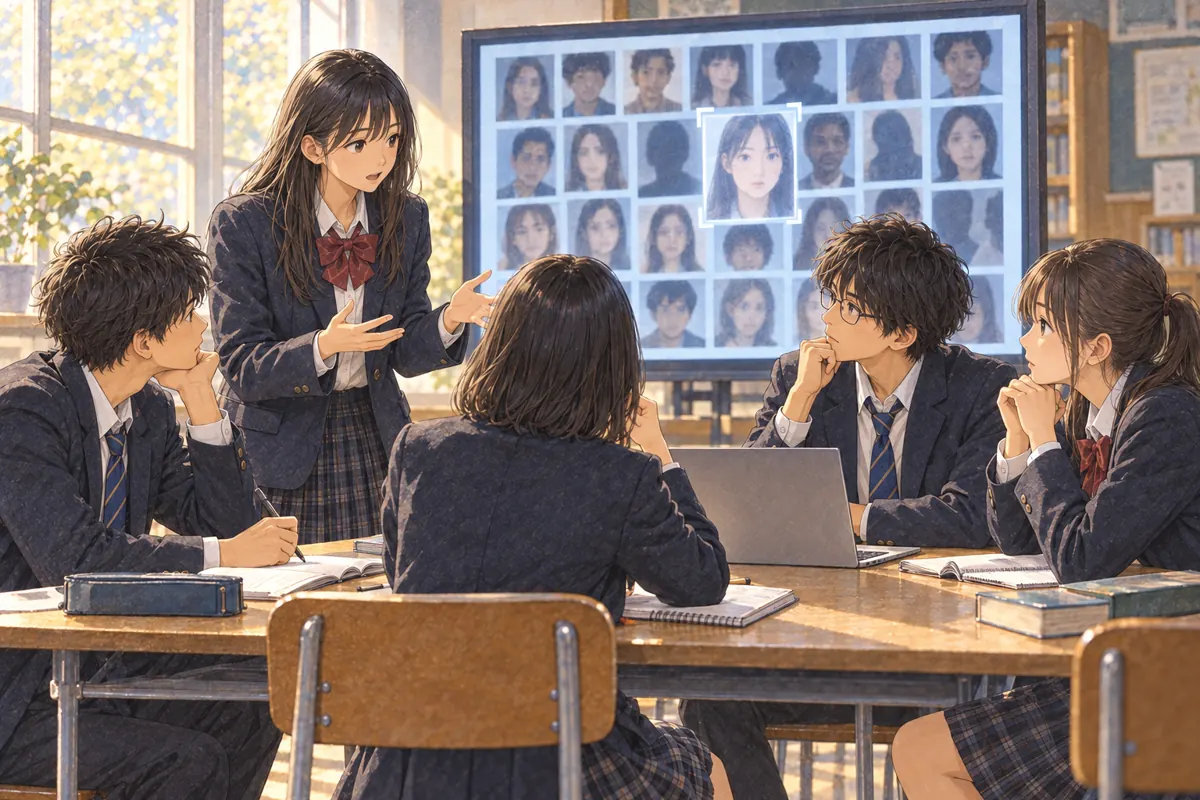
Our media class studied how image systems learn from large collections of pictures. A classmate found an old festival photo of herself on a public website and asked whether it might have been used for training. We could not tell from the page alone.
Instead of guessing, we examined what the site actually said about permission, reuse, and removal. The photograph had been posted by a club years earlier, before members had discussed future uses. Our teacher helped the club contact the site administrator and ask what options were available. The answer was narrower than a promise to erase every copy online, but it gave the club a practical next step.
The classmate wanted the original page changed. Others wanted to understand how future festival pictures would be handled. We wrote a simple permission process for new images and included a way to reconsider later.
A picture can be technically easy to copy while remaining connected to a person. The question was not only what a system could collect, but what we should ask before sharing.
逐句跟读
点击任意一句听 Dicvo 的 Jenny 英语语音;开始连续播放前可选择每句播放次数。同一句的每遍之间、切换到下一句之前,都会留出约一遍句子时长供你跟读。原有整篇朗读仍可在上方播放。
请选择一句开始。
-
Our media class studied how image systems learn from large collections of pictures.
-
A classmate found an old festival photo of herself on a public website and asked whether it might have been used for training.
-
We could not tell from the page alone.
-
Instead of guessing, we examined what the site actually said about permission, reuse, and removal.
-
The photograph had been posted by a club years earlier, before members had discussed future uses.
-
Our teacher helped the club contact the site administrator and ask what options were available.
-
The answer was narrower than a promise to erase every copy online, but it gave the club a practical next step.
-
The classmate wanted the original page changed.
-
Others wanted to understand how future festival pictures would be handled.
-
We wrote a simple permission process for new images and included a way to reconsider later.
-
A picture can be technically easy to copy while remaining connected to a person.
-
The question was not only what a system could collect, but what we should ask before sharing.
读懂了什么?
读完后,试着用一句话说出本文的主要意思,并从原文找出支持它的一句话。
查看中文译文
媒体课上,我们学习图像系统怎样从大量图片中学习。一位同学在公开网站发现自己多年前的节庆照片,问它是否可能被用来训练。单凭网页,我们无法判断。
我们没有猜测,而是查看网站对许可、再次使用和移除内容的实际说明。照片多年前由社团发布,当时成员还没讨论未来用途。老师帮助社团联系网站管理员,询问可用的选项。答复不能保证擦除网上每一份副本,却给了社团一个可做的下一步。
那位同学希望修改原网页;其他人则想弄清以后如何处理节庆照片。我们为新图像写了简单的同意流程,也留出日后重新考虑的途径。
一张图技术上容易复制,却仍与画面里的人相连。问题不只是系统能收集什么,也在于分享前应该先问什么。
本课重点词语
以下是本课重点词语的中文讲解;英文正文中有虚线的单词可悬停查看词义和发音。
- image systems
- 图像系统;从大型图片集学习。
- collections
- 集合;大量照片可能被收集。
- public
- 公开的;照片在网站上可见。
- permission
- 许可;要查旧图使用条件。
- reuse
- 再次使用;未来用途过去未讨论。
- removal
- 移除;不能保证删遍所有副本。
- administrator
- 管理员;可说明站点选项。
- options
- 可选方案;给社团现实下一步。
- process
- 流程;新照片先征得同意。
- reconsider
- 重新考虑;日后也能调整同意。
背景知识
网页上的旧照片是否被用于训练,文中并无证据可直接断定。学生先查看站点说明、联系管理员,再修订今后发布照片的同意流程。