
High 3 · Reading series
Lesson 17 · The AI Answer with No Author
Audio track 17
Listen first
Listen once before opening the English passage.
Open the English passage and hover for word help
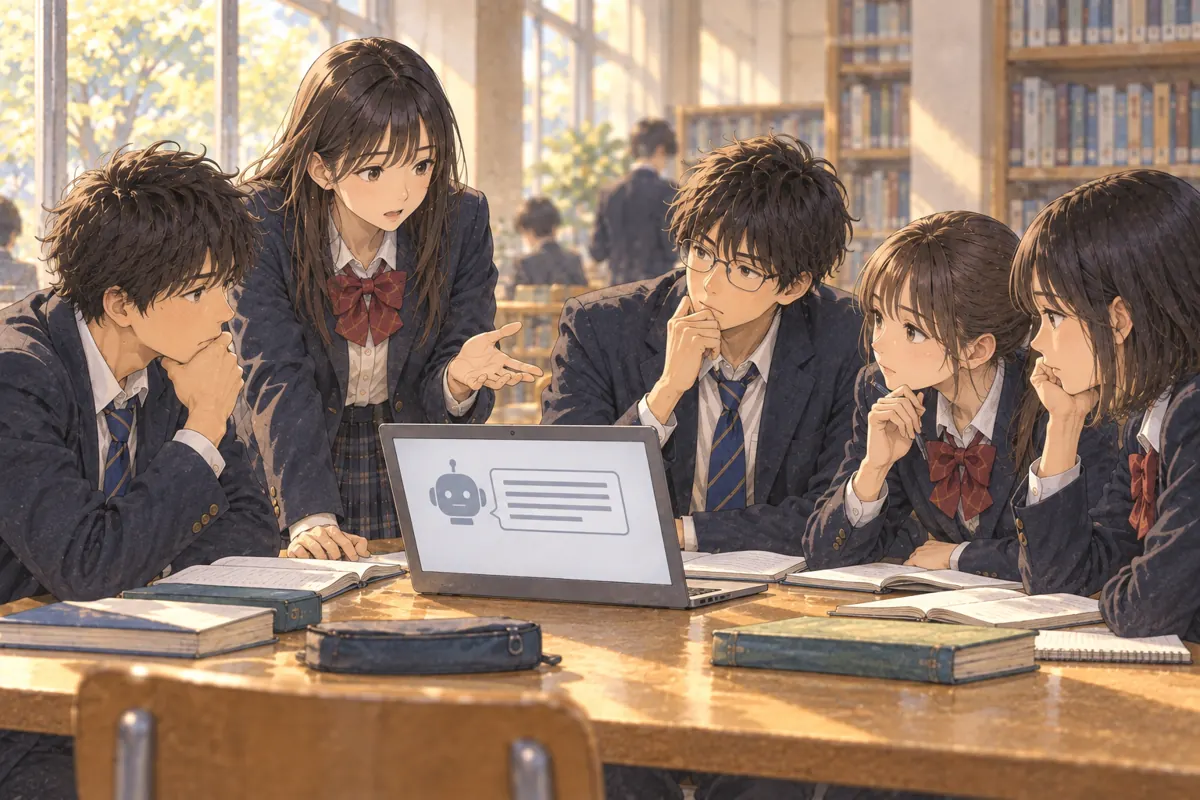
An AI assistant wrote a clear paragraph about the history of our town hall. It included dates and a confident explanation of why the building moved. My group liked the structure, but nobody could identify the source of one important claim.
We searched the town archive and found that the move had been discussed for several years, with different reasons in different records. The AI paragraph had compressed those disagreements into a single smooth story. Its style made it easy to read and easy to trust.
We rebuilt the paragraph from materials we could cite. We kept a short opening question suggested by the tool, but we checked every factual sentence and stated where the records disagreed. We also followed our school's rules for explaining how we had used AI.
The question “Who wrote this?” had no simple answer for the generated paragraph. That made another question more urgent: who would stand behind the version we submitted? We decided that responsibility belonged to us.
Sentence practice
Play any sentence in Dicvo’s Jenny English voice. Before playing all, choose how many times each sentence plays. A practice pause about as long as the sentence follows each play, including before the next sentence. The complete reading remains above.
Choose a sentence to begin.
-
An AI assistant wrote a clear paragraph about the history of our town hall.
-
It included dates and a confident explanation of why the building moved.
-
My group liked the structure, but nobody could identify the source of one important claim.
-
We searched the town archive and found that the move had been discussed for several years, with different reasons in different records.
-
The AI paragraph had compressed those disagreements into a single smooth story.
-
Its style made it easy to read and easy to trust.
-
We rebuilt the paragraph from materials we could cite.
-
We kept a short opening question suggested by the tool, but we checked every factual sentence and stated where the records disagreed.
-
We also followed our school's rules for explaining how we had used AI.
-
The question “Who wrote this?” had no simple answer for the generated paragraph.
-
That made another question more urgent: who would stand behind the version we submitted?
-
We decided that responsibility belonged to us.
Check your understanding
After reading, state the main idea in one sentence and find a line that supports it.
Chinese translation
人工智能助手写了一段清楚的镇政府大楼历史,还列出日期,自信地解释大楼迁址的缘由。小组喜欢它的结构,却没人找得到其中一个重要说法的来源。
我们查镇档案馆,发现搬迁问题讨论了好几年,不同记录给出的理由也不一样。人工智能段落把这些分歧压成一个顺滑的故事。文风容易读,也容易让人信。
我们用能引用的资料重写段落,保留了工具建议的一句开场提问,却逐句核对事实,说明资料在何处意见不同。我们还遵照学校规定,交代使用人工智能的方式。
对生成的段落,‘是谁写的’没有简单答案,更急迫的问题是:谁要对最终提交的版本负责?我们决定由自己承担。
Key words and expressions
Key terms have Chinese explanations. Hover over dotted words in the English passage for word help and pronunciation when available.
- assistant
- 助手;生成了一段历史文字。
- confident
- 自信的;语气不保证事实。
- identify
- 辨认;找不到某说法出处。
- source
- 来源;须能追溯主张。
- archive
- 档案馆;提供原始资料。
- compressed
- 压缩;分歧被写成单一故事。
- disagreements
- 分歧;记录给不同理由。
- cite
- 引用;事实需有可查依据。
- generated
- 生成的;段落来自工具。
- responsibility
- 责任;最终报告由学生承担。
Background notes (Chinese)
生成式文本可能把相互冲突的来源压平,甚至不给可核查的出处。小组使用档案重写事实,也按学校规定披露工具使用。