
High 1 · Reading series
Lesson 50 · The Museum Label We Rewrote
Audio track 50
Listen first
Listen once before opening the English passage.
Open the English passage and hover for word help
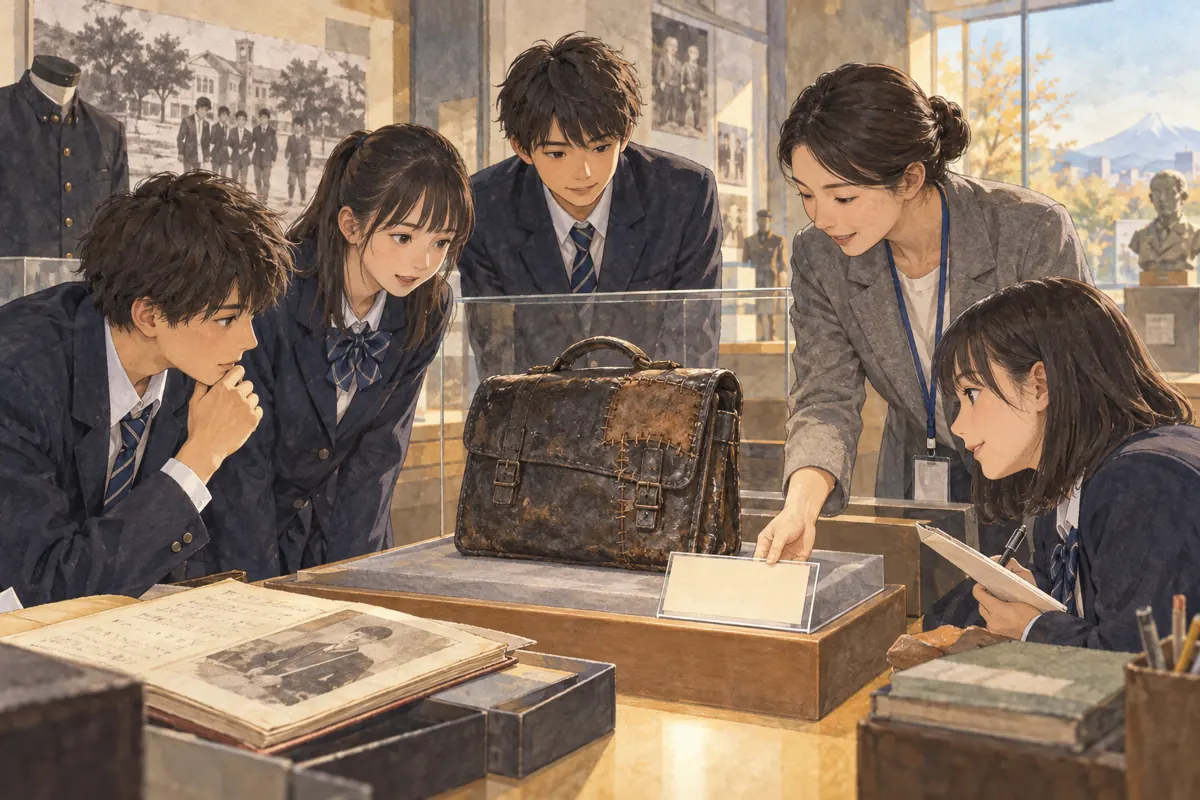
Our class helped a local museum prepare a small display of old school bags. The first label gave the date, material, and size of each bag. It was accurate, but visitors walked past quickly.
The curator asked what question a first-year high-school student might ask. I wondered why one bag had been repaired so many times. The museum had a record from its owner explaining that a replacement was difficult to obtain at the time. We added a short question to the label: “What might make someone keep repairing one bag?” Below it, we summarized the owner's record.
We did not invent a dramatic life story for the bag. We used the evidence the museum had and made space for visitors to think. During a trial visit, one student compared the old repairs with a patch on her own backpack.
The date and material still mattered. The question connected those facts to a human choice, making the object easier to remember.
Sentence practice
Play any sentence in Dicvo’s Jenny English voice. Before playing all, choose how many times each sentence plays. A practice pause about as long as the sentence follows each play, including before the next sentence. The complete reading remains above.
Choose a sentence to begin.
-
Our class helped a local museum prepare a small display of old school bags.
-
The first label gave the date, material, and size of each bag.
-
It was accurate, but visitors walked past quickly.
-
The curator asked what question a first-year high-school student might ask.
-
I wondered why one bag had been repaired so many times.
-
The museum had a record from its owner explaining that a replacement was difficult to obtain at the time.
-
We added a short question to the label: “What might make someone keep repairing one bag?”
-
Below it, we summarized the owner's record.
-
We did not invent a dramatic life story for the bag.
-
We used the evidence the museum had and made space for visitors to think.
-
During a trial visit, one student compared the old repairs with a patch on her own backpack.
-
The date and material still mattered.
-
The question connected those facts to a human choice, making the object easier to remember.
Check your understanding
After reading, state the main idea in one sentence and find a line that supports it.
Chinese translation
我们班帮当地博物馆准备一个旧书包小展览。第一版展签列出了每个书包的年代、材质和尺寸。信息准确,访客却匆匆走过。
策展人问,高一学生可能会对什么感到好奇。我想知道,为什么其中一个书包被修了那么多次。博物馆保存着原物主的一份记录,说明当时很难买到替代品。我们在展签上加了一个简短问题:‘是什么原因让人一再修补同一个书包?’下方再概述物主的记录。
我们没有替书包编造动人的身世,而是使用博物馆已有的证据,也让访客自己思考。试行参观时,一位学生把旧书包的补丁与自己背包上的补丁作比较。
年代和材质依然重要。问题把这些事实与一个人的选择联系起来,让展品更容易留在记忆中。
Key words and expressions
Key terms have Chinese explanations. Hover over dotted words in the English passage for word help and pronunciation when available.
- display
- 展览;展示旧书包的小型活动。
- label
- 展签;介绍书包的文字。
- material
- 材质;原展签列出的信息。
- accurate
- 准确的;事实正确却不够吸引人。
- curator
- 策展人;请学生思考访客问题。
- record
- 记录;原物主留下的资料。
- obtain
- 获得;当年不易买到新书包。
- summarize
- 概述;在展签下方压缩资料。
- invent
- 编造;学生没有虚构身世。
- connect A to B
- 把甲与乙联系;事实与人的选择相连。
Background notes (Chinese)
好的展签既要准确提供事实,也可引导访客产生问题。学生依据博物馆的物主记录补充说明,没有凭空创作旧书包的故事。