
高中二年级 · 阅读系列
Lesson 50 · A Poster with Too Many Facts
文体:科学海报改版 · 朗读音轨 50
先听一遍
听听正确但拥挤的二十个事实,为什么不如三条相连的观察好读。
展开英文短文,再悬停查词
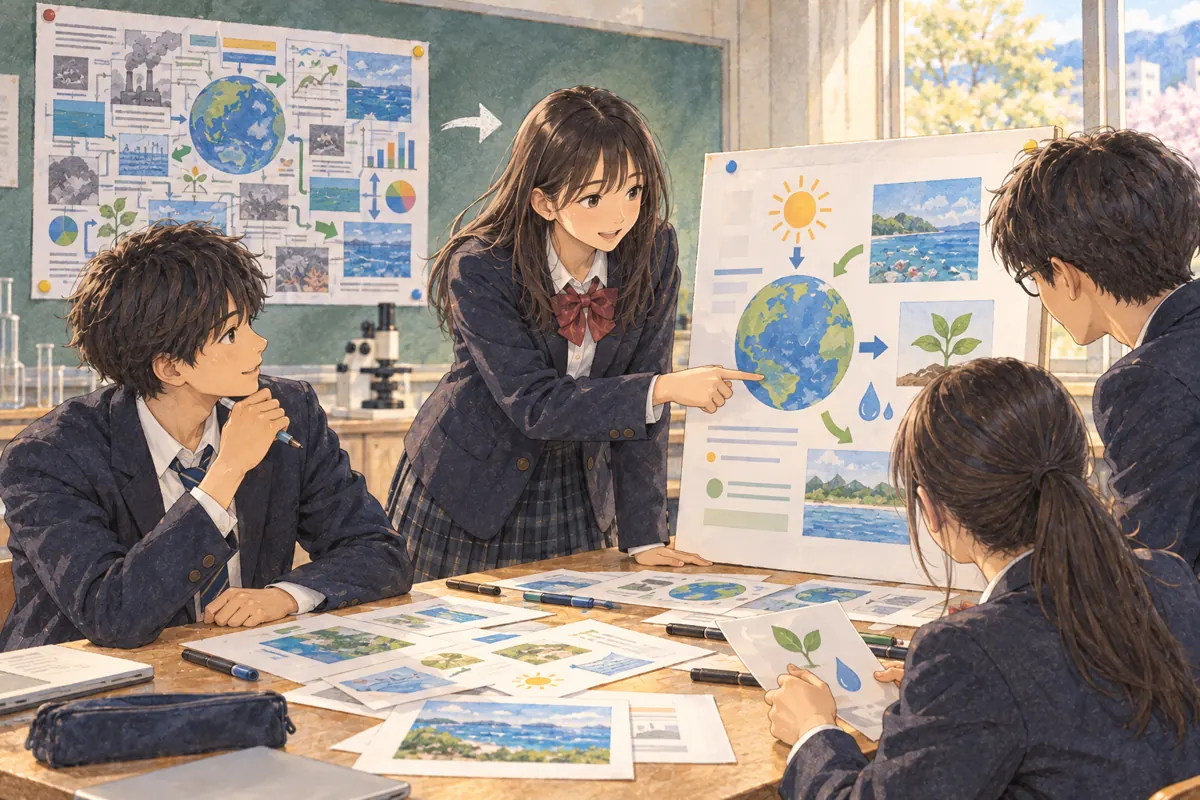
Our science poster contained twenty facts about the town pond. Each fact was correct according to our notes, yet visitors walked past without stopping. The page was crowded with tiny text and arrows pointing in every direction.
A younger student asked one question: “Why are there fewer insects near the path?” We realized that our facts did not help her follow a possible explanation. We chose three observations: the path's shade, the plants nearby, and the times when insects had been counted. We moved other details to a handout and added a clear note that our observations could not prove a cause.
The new poster had less information on its surface. Visitors stayed longer and asked more questions. One even suggested a different factor we had missed: the weather on our counting days.
Good communication does not require hiding complexity. It requires an entrance. By showing how a few facts connected, we made room for readers to ask about the rest.
逐句跟读
点击任意一句听 Dicvo 的 Jenny 英语语音;开始连续播放前可选择每句播放次数。同一句的每遍之间、切换到下一句之前,都会留出约一遍句子时长供你跟读。原有整篇朗读仍可在上方播放。
请选择一句开始。
-
Our science poster contained twenty facts about the town pond.
-
Each fact was correct according to our notes, yet visitors walked past without stopping.
-
The page was crowded with tiny text and arrows pointing in every direction.
-
A younger student asked one question: “Why are there fewer insects near the path?”
-
We realized that our facts did not help her follow a possible explanation.
-
We chose three observations: the path's shade, the plants nearby, and the times when insects had been counted.
-
We moved other details to a handout and added a clear note that our observations could not prove a cause.
-
The new poster had less information on its surface.
-
Visitors stayed longer and asked more questions.
-
One even suggested a different factor we had missed: the weather on our counting days.
-
Good communication does not require hiding complexity.
-
It requires an entrance.
-
By showing how a few facts connected, we made room for readers to ask about the rest.
读懂了什么?
读完后,试着用一句话说出本文的主要意思,并从原文找出支持它的一句话。
查看中文译文
我们的科学海报塞进了关于镇上池塘的二十个事实。按笔记核对,每条都正确,访客却几乎不停步。页面挤满小字,箭头指向四面八方。
一位低年级学生问:‘为什么小路附近昆虫比较少?’我们意识到,列出的事实并未帮她追出可能的解释。于是选了三条观察:小路的树荫、附近的植物,以及清点昆虫的时间。其他细节移到传单里,并清楚注明这些观察无法证明原因。
新版海报表面上信息更少,访客却停得更久,提出更多问题。还有人提醒我们漏了另一个可能因素:清点当天的天气。
好的沟通并不要求把复杂性藏起来,而是需要一个入口。把几条事实之间的联系讲清,读者才有空间继续追问其余部分。
本课重点词语
以下是本课重点词语的中文讲解;英文正文中有虚线的单词可悬停查看词义和发音。
- contained
- 包含;海报放进二十条事实。
- crowded
- 拥挤的;小字和箭头太多。
- direction
- 方向;箭头四处指。
- explanation
- 解释;事实需围绕问题组织。
- shade
- 树荫;选出的三条观察之一。
- handout
- 传单;存放补充细节。
- prove
- 证明;观察未必确定原因。
- factor
- 因素;访客提出天气。
- complexity
- 复杂性;不必隐藏。
- entrance
- 入口;清楚的主线帮助阅读。
背景知识
单纯堆叠事实不一定有助理解。学生从访客的问题出发,选择相关观察、保留方法限制,并把补充资料放在传单里。