
高中二年级 · 阅读系列
Lesson 34 · Reading a Food Label Carefully
文体:食品标签阅读 · 朗读音轨 34
先听一遍
听听‘高蛋白’字样为什么不足以决定零食是否最合适。
展开英文短文,再悬停查词
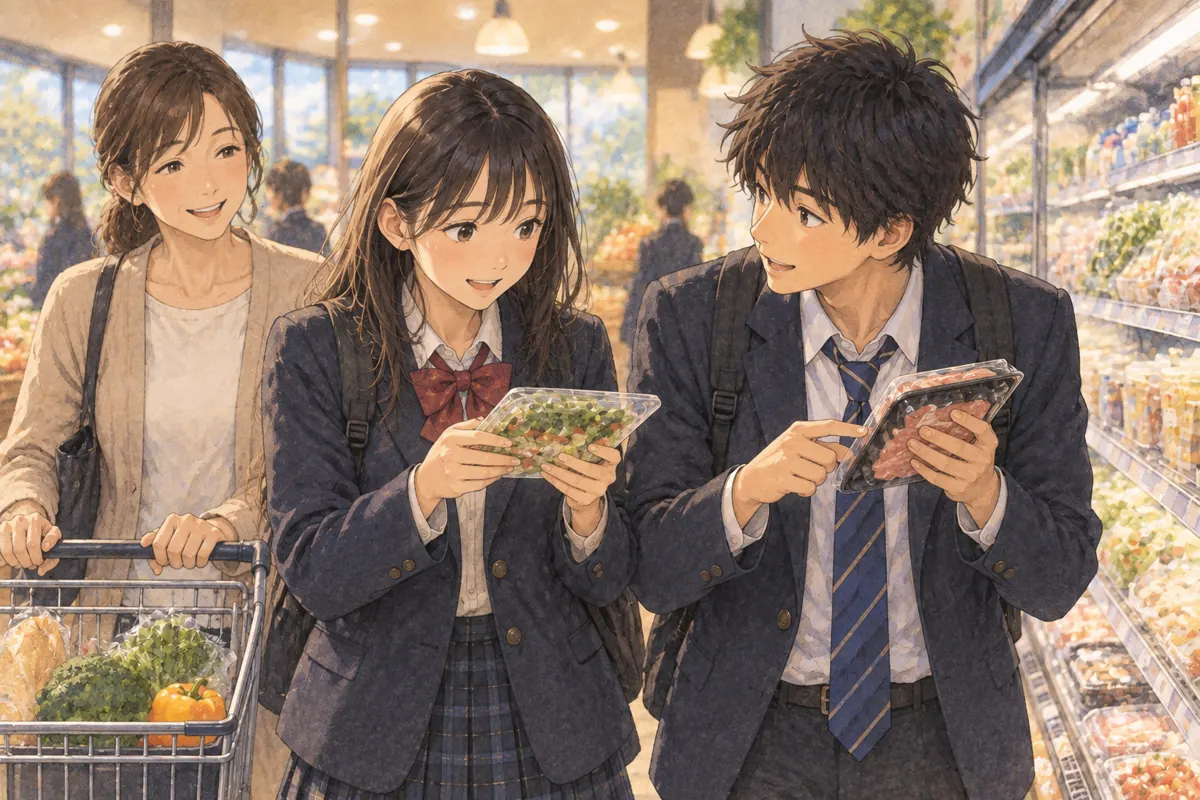
At the supermarket, my brother pointed to a snack with “high protein” printed across the package. He said it must be the healthiest choice. I turned the package over and found the nutrition label and the list of ingredients.
The label did show protein, but it also described a serving smaller than the whole bag. Another snack had less protein but suited his taste and the rest of our meal. We could not decide what was best for every person from one number.
We asked our parent about the food we had planned for dinner and chose a snack we would actually eat in a reasonable portion. My brother still liked the first package. He simply stopped treating the large claim on the front as the whole story.
A label is useful when we read its units, serving size, and context. It gives information, not a single answer for everyone. The back of the package helped us ask a better question than the front alone.
逐句跟读
点击任意一句听 Dicvo 的 Jenny 英语语音;开始连续播放前可选择每句播放次数。同一句的每遍之间、切换到下一句之前,都会留出约一遍句子时长供你跟读。原有整篇朗读仍可在上方播放。
请选择一句开始。
-
At the supermarket, my brother pointed to a snack with “high protein” printed across the package.
-
He said it must be the healthiest choice.
-
I turned the package over and found the nutrition label and the list of ingredients.
-
The label did show protein, but it also described a serving smaller than the whole bag.
-
Another snack had less protein but suited his taste and the rest of our meal.
-
We could not decide what was best for every person from one number.
-
We asked our parent about the food we had planned for dinner and chose a snack we would actually eat in a reasonable portion.
-
My brother still liked the first package.
-
He simply stopped treating the large claim on the front as the whole story.
-
A label is useful when we read its units, serving size, and context.
-
It gives information, not a single answer for everyone.
-
The back of the package helped us ask a better question than the front alone.
读懂了什么?
读完后,试着用一句话说出本文的主要意思,并从原文找出支持它的一句话。
查看中文译文
在超市,弟弟指着一包正面印着‘高蛋白’的零食,说它一定最健康。我翻到包装背面,看营养成分表和配料表。
标签确实列出了蛋白质,却也说明一份的大小小于整袋。另一种零食蛋白质较少,却更合他的口味,也更适合我们这顿饭的搭配。单凭一个数字,不能替所有人决定什么最好。
我们和家长谈了晚饭打算吃什么,最后选了自己会吃、份量也合适的零食。弟弟仍喜欢第一包,但不再把正面醒目的说法当成全部信息。
食品标签要结合单位、每份大小和食用情境来读。它提供信息,不替每个人给出同一个答案。包装背面,帮助我们提出比只看正面更好的问题。
本课重点词语
以下是本课重点词语的中文讲解;英文正文中有虚线的单词可悬停查看词义和发音。
- protein
- 蛋白质;包装正面强调的营养成分。
- nutrition label
- 营养成分表;背面列出单位与份量。
- ingredients
- 配料;另一项需查看的信息。
- serving
- 一份;可能小于整袋。
- suited
- 适合;还要看口味与正餐。
- reasonable
- 合理的;最终选择可接受的份量。
- portion
- 份量;读数必须对应。
- claim
- 宣传说法;包装正面的醒目文字。
- units
- 单位;决定数字如何理解。
- context
- 情境;食物选择还看个人与整餐。
背景知识
营养数字通常对应标示的份量,不一定是整袋。文中没有为所有人规定饮食选择,而是结合份量、正餐和个人需要理解标签。