
高中二年级 · 阅读系列
Lesson 10 · The Useful Word “Maybe”
文体:水质观察报告 · 朗读音轨 10
先听一遍
听听‘也许’为何能帮助学生更准确地写出调查结论。
展开英文短文,再悬停查词
When our stream turned cloudy, I immediately blamed construction upstream. The timing seemed obvious. My partner wrote “maybe” beside my sentence, and I thought she was being weak.
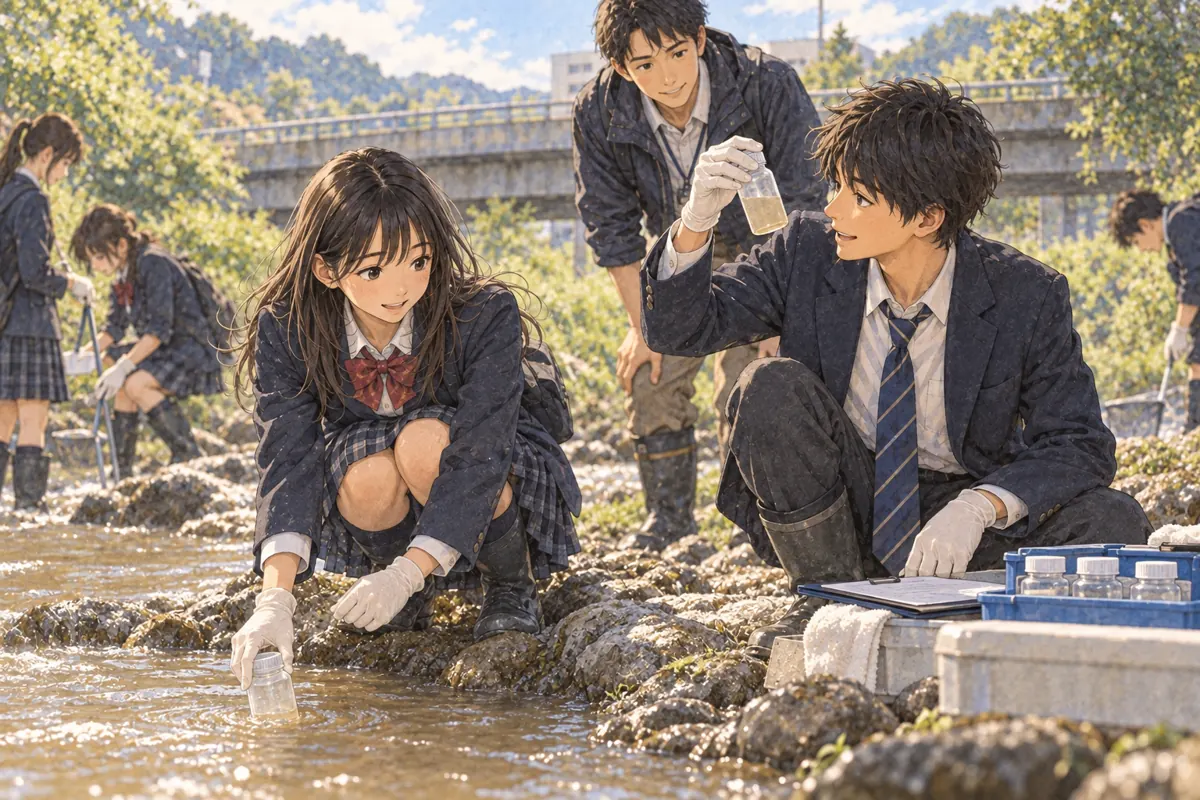
We collected water samples with our teacher on three different days. The stream was clearest after a dry week and cloudier after heavy rain. Soil washed from several paths could explain part of the change. Construction might still have contributed, but our observations could not separate it from the rain.
Our final report used words such as “may,” “suggest,” and “under these conditions.” At first I worried that readers would think we had learned nothing. Then I saw how these words protected the real discovery: we had found a pattern and identified what further evidence was needed.
“Maybe” is not an escape from thinking. Used carefully, it marks the boundary between what we know and what we still need to test. That boundary helped us ask a better question next time.
逐句跟读
点击任意一句听 Dicvo 的 Jenny 英语语音;开始连续播放前可选择每句播放次数。同一句的每遍之间、切换到下一句之前,都会留出约一遍句子时长供你跟读。原有整篇朗读仍可在上方播放。
请选择一句开始。
-
When our stream turned cloudy, I immediately blamed construction upstream.
-
The timing seemed obvious.
-
My partner wrote “maybe” beside my sentence, and I thought she was being weak.
-
We collected water samples with our teacher on three different days.
-
The stream was clearest after a dry week and cloudier after heavy rain.
-
Soil washed from several paths could explain part of the change.
-
Construction might still have contributed, but our observations could not separate it from the rain.
-
Our final report used words such as “may,” “suggest,” and “under these conditions.”
-
At first I worried that readers would think we had learned nothing.
-
Then I saw how these words protected the real discovery: we had found a pattern and identified what further evidence was needed.
-
“Maybe” is not an escape from thinking.
-
Used carefully, it marks the boundary between what we know and what we still need to test.
-
That boundary helped us ask a better question next time.
读懂了什么?
读完后,试着用一句话说出本文的主要意思,并从原文找出支持它的一句话。
查看中文译文
小溪变浑浊时,我立刻把原因归咎于上游施工。时间刚好对得上,我觉得答案显而易见。搭档却在我的句子旁写下‘也许’,当时我还觉得她太不坚定。
在老师陪同下,我们在不同的三天采集水样。连着一周天晴后,小溪最清;大雨后则更浑。多条小路上的泥土被冲进水里,也能解释部分变化。施工可能仍有影响,但现有观察无法把它与降雨的作用分开。
最后的报告用了‘可能’‘提示’‘在这些条件下’等表达。起初,我担心读者以为我们毫无收获。后来才明白,这些词恰好保护了真正的发现:我们看出了一种规律,也明确了还需要什么证据。
‘也许’不是逃避思考。谨慎使用时,它标出已知与待检验之间的界线。这条界线帮助我们下次提出更好的问题。
本课重点词语
以下是本课重点词语的中文讲解;英文正文中有虚线的单词可悬停查看词义和发音。
- cloudy
- 浑浊的;暴雨后溪水变混。
- upstream
- 上游;施工所在的方向。
- timing
- 时间关系;主人公把先后当作原因。
- collected
- 采集;师生获取水样。
- samples
- 样本;在三天取的水。
- contributed
- 产生影响;施工仍有可能参与。
- observations
- 观察记录;不足以分离原因。
- suggest
- 提示;不等于证明。
- evidence
- 证据;还需进一步收集。
- boundary
- 界线;区分已知与待测。
背景知识
时间相近不等于因果关系已证实。降雨和施工都可能影响浑浊度,有限的采样无法分离两者;报告用限定词准确表达证据边界。