
High 3 · Reading series
Lesson 25 · A Question the Robot Could Not Ask
Audio track 25
Listen first
Listen once before opening the English passage.
Open the English passage and hover for word help
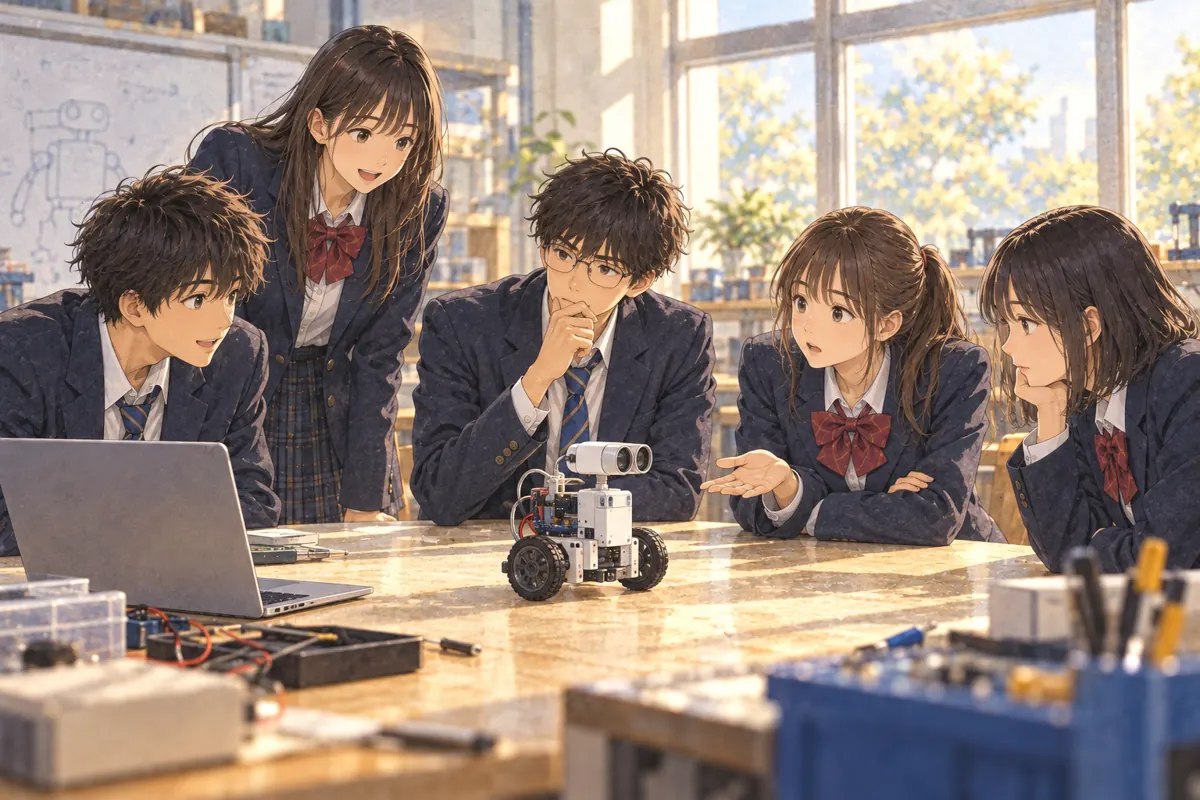
Our club programmed a small robot to collect paper scraps from a classroom floor. In the demonstration, it worked quickly and missed almost nothing. We called it a success until a visitor asked why the floor had so many scraps each day.
The robot could recognize white paper against dark tiles. It could not ask whether the printer was producing unnecessary sheets or whether students had a better place to reuse them. Those questions belonged to people designing the wider system.
We kept the robot and changed the project description. It could help clean a limited area, but reducing waste might require a different action. We interviewed teachers about printing and created a tray for one-sided paper. After a month, there were fewer scraps for the robot to collect.
The machine had achieved the task we gave it. The visitor's question helped us examine whether we had given it the most useful task. Technology can be impressive while the human question around it remains unfinished.
Sentence practice
Play any sentence in Dicvo’s Jenny English voice. Before playing all, choose how many times each sentence plays. A practice pause about as long as the sentence follows each play, including before the next sentence. The complete reading remains above.
Choose a sentence to begin.
-
Our club programmed a small robot to collect paper scraps from a classroom floor.
-
In the demonstration, it worked quickly and missed almost nothing.
-
We called it a success until a visitor asked why the floor had so many scraps each day.
-
The robot could recognize white paper against dark tiles.
-
It could not ask whether the printer was producing unnecessary sheets or whether students had a better place to reuse them.
-
Those questions belonged to people designing the wider system.
-
We kept the robot and changed the project description.
-
It could help clean a limited area, but reducing waste might require a different action.
-
We interviewed teachers about printing and created a tray for one-sided paper.
-
After a month, there were fewer scraps for the robot to collect.
-
The machine had achieved the task we gave it.
-
The visitor's question helped us examine whether we had given it the most useful task.
-
Technology can be impressive while the human question around it remains unfinished.
Check your understanding
After reading, state the main idea in one sentence and find a line that supports it.
Chinese translation
社团编程让一个小机器人捡拾教室地面的纸屑。演示时,它动作很快,几乎没有漏掉纸屑。我们称它成功,直到一位参观者问:为什么每天地上都有这么多纸屑?
机器人能在深色地砖上识别白纸,却不会问打印机是否印出不必要的纸张,也不会问学生有没有更好的地方重复利用单面纸。这些问题属于设计整个使用流程的人。
我们保留机器人,修改项目说明:它能清理一小片区域,但减少浪费也许需要另一种行动。我们采访老师,了解打印情况,还放了一个收集单面纸的托盘。一个月后,机器人要捡的纸屑少了。
机器完成了我们交给它的任务。参观者的问题则帮助我们检查:交给它的任务是否最有用?技术可以令人赞叹,而围绕技术的人类问题仍可能没有解决。
Key words and expressions
Key terms have Chinese explanations. Hover over dotted words in the English passage for word help and pronunciation when available.
- programmed
- 编程;让机器人执行任务。
- scraps
- 纸屑;机器人清理的对象。
- demonstration
- 演示;机器表现出色。
- recognize
- 识别;在深色地面找到白纸。
- unnecessary
- 不必要的;要审视打印量。
- reuse
- 重复利用;单面纸可再用。
- wider
- 更广的;问题涉及整个流程。
- limited
- 有限的;机器人只清理小区域。
- reducing
- 减少;比单纯捡拾更有用。
- achieved
- 完成;任务做好仍可追问目标。
Background notes (Chinese)
机器人捡纸屑表现良好,但追问纸屑来源后,小组还尝试减少打印浪费和回收单面纸。