
High 1 · Reading series
Lesson 35 · A Break That Made Space
Audio track 35
Listen first
Listen once before opening the English passage.
Open the English passage and hover for word help
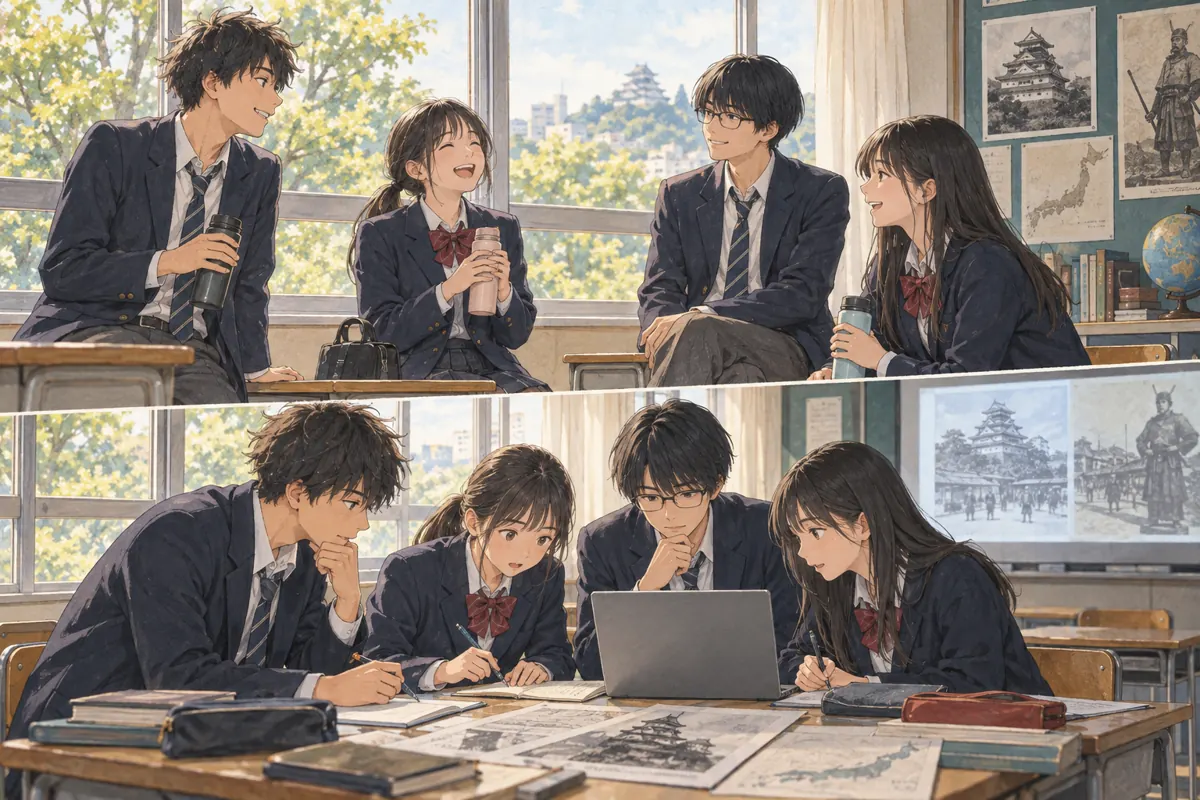
Our group had been working on a history presentation for two hours. We kept rewriting the opening sentence, but it still sounded unclear. Each person repeated the same suggestion in a slightly different way. I felt that stopping would waste time, so I asked everyone to try once more.
Mio suggested a ten-minute break. We left the classroom, got some water, and looked at the trees outside. When we returned, she asked, “Who is this presentation for?” We realized that our opening assumed the audience already knew the event we were explaining.
We wrote one simple sentence giving the date and place, then moved the detail to a later slide. The opening became clearer in fifteen minutes than it had during the previous hour.
The break did not magically write our presentation. It gave us enough distance to notice a question we had stopped asking. Sometimes progress means changing the problem, not repeating the same answer faster.
Sentence practice
Play any sentence in Dicvo’s Jenny English voice. Before playing all, choose how many times each sentence plays. A practice pause about as long as the sentence follows each play, including before the next sentence. The complete reading remains above.
Choose a sentence to begin.
-
Our group had been working on a history presentation for two hours.
-
We kept rewriting the opening sentence, but it still sounded unclear.
-
Each person repeated the same suggestion in a slightly different way.
-
I felt that stopping would waste time, so I asked everyone to try once more.
-
Mio suggested a ten-minute break.
-
We left the classroom, got some water, and looked at the trees outside.
-
When we returned, she asked, “Who is this presentation for?”
-
We realized that our opening assumed the audience already knew the event we were explaining.
-
We wrote one simple sentence giving the date and place, then moved the detail to a later slide.
-
The opening became clearer in fifteen minutes than it had during the previous hour.
-
The break did not magically write our presentation.
-
It gave us enough distance to notice a question we had stopped asking.
-
Sometimes progress means changing the problem, not repeating the same answer faster.
Check your understanding
After reading, state the main idea in one sentence and find a line that supports it.
Chinese translation
我们小组准备历史报告已经两个小时。开头一句改了又改,听起来还是不清楚。每个人都在用稍有不同的话重复同一条建议。我觉得停下来会浪费时间,就请大家再试一次。
美绪提议休息十分钟。我们离开教室,喝了点水,看看窗外的树。回来后,她问:‘这份报告是讲给谁听的?’这时我们才发现,开头默认听众已经知道我们要介绍的事件。
于是,我们用一句简单的话交代时间和地点,把细节移到后面的幻灯片。十五分钟内,开头就比先前花一个小时打磨的版本更清楚。
休息没有神奇地替我们写出报告。它让我们稍微退开一步,注意到早已不再追问的问题。有时,进展意味着换一种方式看问题,而不是更快地重复同一个答案。
Key words and expressions
Key terms have Chinese explanations. Hover over dotted words in the English passage for word help and pronunciation when available.
- rewrite
- 重写;反复修改开头。
- opening sentence
- 开头句;最初无法讲清楚。
- repeat
- 重复;成员不断提出类似建议。
- slightly
- 略微地;说法仅有小差别。
- waste time
- 浪费时间;主人公不愿暂停的理由。
- return
- 返回;休息后重新讨论。
- audience
- 听众;报告对象需要背景。
- assume
- 假定;原开头默认听众已知事件。
- distance
- 距离;休息帮助换个角度看问题。
- progress
- 进展;改变提问方式后出现。
Background notes (Chinese)
反复修改同一句话未必能解决表达不清的根源。短暂休息后,小组重新想到听众是谁,于是把必要背景放在开头,改善了报告结构。